
AI and Technology in Healthcare: What It Means for the Future of Medical Real Estate
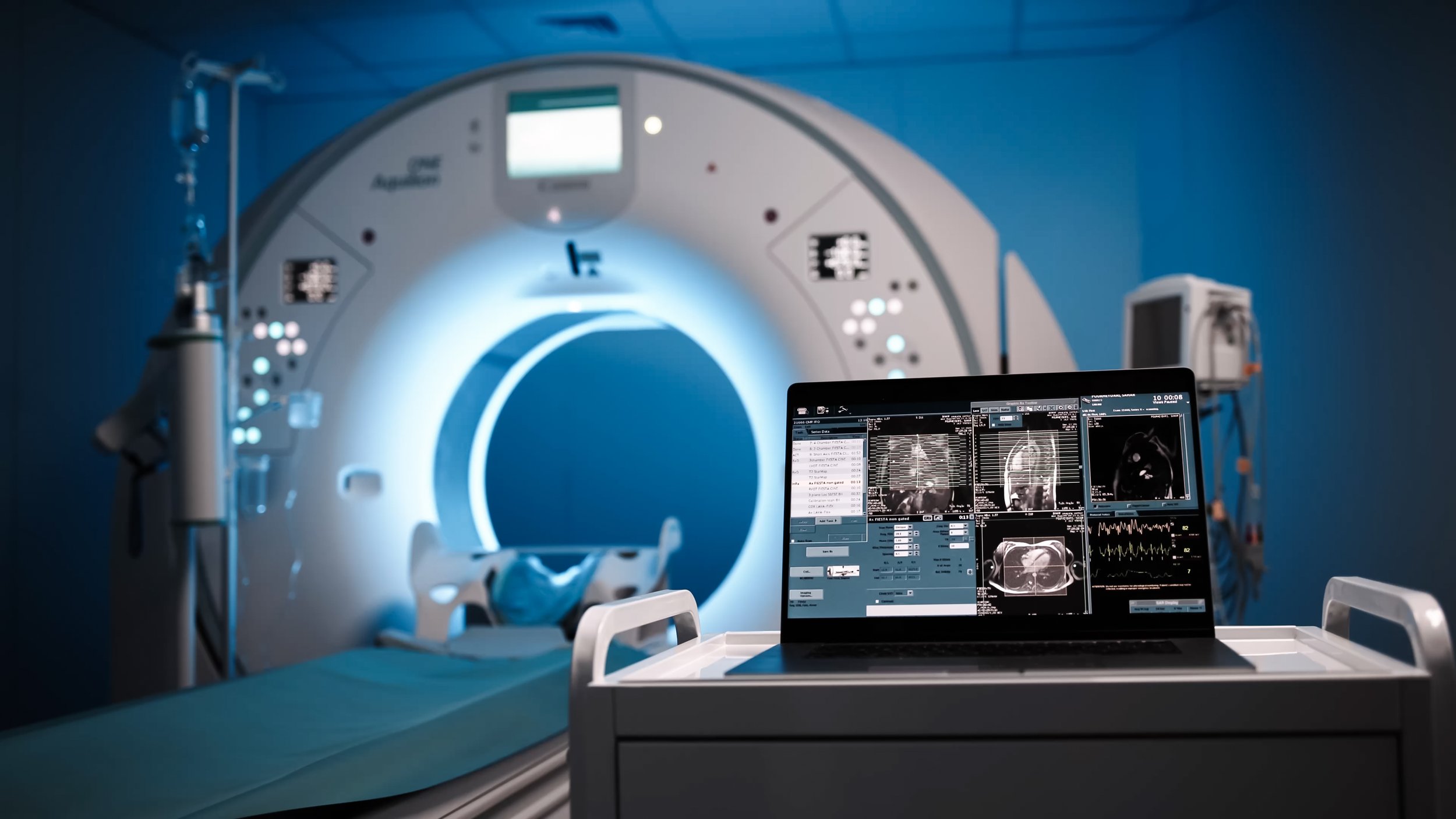
Healthcare is changing quickly. Advances in artificial intelligence, digital tools, diagnostic equipment, and patient care technology are changing not only how healthcare is delivered, but also what healthcare facilities need from their physical spaces.
For dental practices, optometry offices, medical practices, and other healthcare providers, these changes may influence everything from office layout and equipment needs to location and the amount of space a practice requires.
Technology Is Changing the Healthcare Office
Today's healthcare office is increasingly technology-driven. Digital records, remote patient monitoring, AI-assisted diagnostics, advanced imaging, and automated administrative processes are becoming more common across healthcare.
As these technologies continue to develop, practices may need to rethink how their physical spaces are designed.
For example, newer diagnostic and imaging equipment can require dedicated space, specialized electrical systems, additional data infrastructure, or different room configurations. At the same time, technology can make some traditional administrative areas smaller as more processes become digital.
The result could be a healthcare office that uses its space differently than it did in the past.
The Growing Role of AI
Artificial intelligence is becoming another important factor in healthcare. AI can assist with tasks such as analyzing medical images, supporting clinical decision-making, scheduling, documentation, and administrative functions.
While AI is not replacing the need for healthcare professionals, it may change how they use their time, and how practices use their physical space.
For example, practices may need fewer traditional administrative workstations while placing greater emphasis on patient treatment areas, technology infrastructure, consultation spaces, or specialized equipment.
For healthcare real estate, this means that flexibility may become increasingly important.
Location Still Matters
Technology may allow healthcare providers to operate more efficiently, but location remains a critical consideration.
Patients still need convenient access to their providers, particularly for dental, optometry, primary care, and other services that require in-person visits. Parking, accessibility, visibility, proximity to residential communities, and surrounding demographics will continue to influence the value of a healthcare location.
A practice considering a new location should look beyond its current patient base and consider how the surrounding area may develop over the next five, ten, or even twenty years.
Designing for Flexibility
One of the biggest real estate considerations created by advancing technology is the need for flexibility.
Healthcare practices may invest in new equipment or adopt new technologies several years after moving into a facility. A space that works perfectly today may not accommodate future technology as easily.
When evaluating a property, healthcare providers may want to consider:
Can the layout be modified as the practice grows?
Is there sufficient electrical and technology infrastructure?
Can additional treatment or examination rooms be added?
Is there adequate space for new equipment?
Does the building allow for future expansion?
Is the location convenient for both current and future patients?
These considerations can be especially important when deciding whether to lease or purchase a healthcare property.
What This Means for Healthcare Real Estate
Technology will continue to influence how healthcare is delivered, but it will also influence the physical environments where that care takes place.
For practice owners, the goal is not necessarily to find the largest or most technologically advanced facility. Instead, it is to find a property that provides the location, functionality, infrastructure, and flexibility needed to support the practice today while allowing room for future changes.
As Colorado's healthcare industry continues to grow and technology continues to evolve, healthcare real estate decisions will increasingly require a long-term perspective.
Whether a practice is expanding, relocating, purchasing a building, or preparing for a future transition, understanding how technology may affect its space requirements can help owners make more informed real estate decisions.
Planning your next healthcare real estate move in Colorado? Tower Realty Partners works with healthcare practice owners to evaluate real estate opportunities that support both current operations and long-term business goals.
Learn More Today! Schedule your complimentary consultation.